June 7, 2026
Birmingham Office HVAC Preventive Maintenance: What’s Included and Budgeting
Learn what a preventive plan covers, the right service schedule, and budgeting tips for commercial HVAC maintenance in Birmingham, AL for offices and teams.

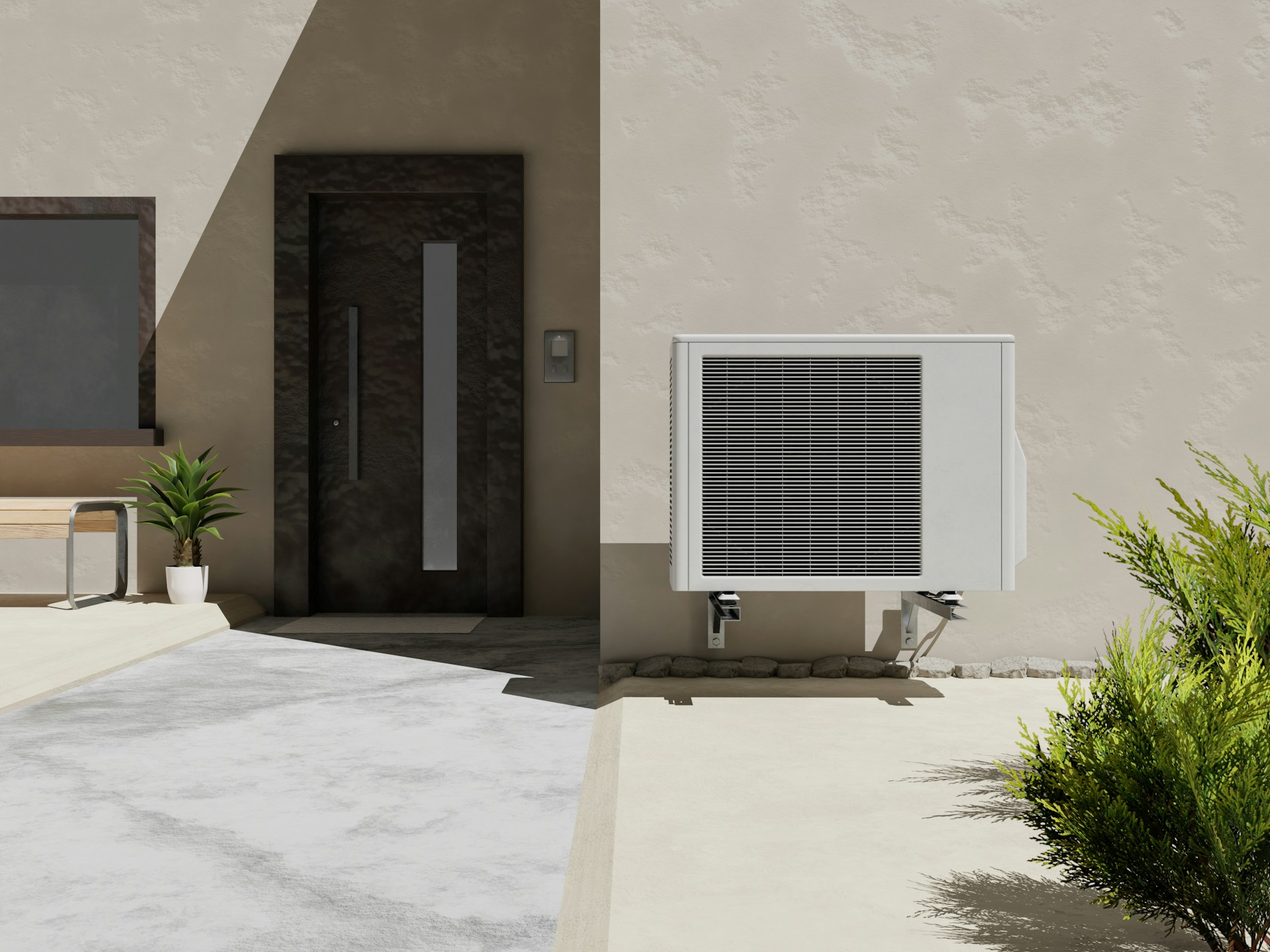
Reliable heating and cooling is not a luxury in a Birmingham office; it is part of keeping people working. Our summers are hot and humid, and even a short AC problem can turn an office into a distraction. In cooler, damp months, a weak heating system can leave staff cold, irritated, and less focused.
A preventive maintenance plan is about control. It cuts down surprise breakdowns, helps the system run smoother, and can extend the life of your equipment. It does not make your HVAC system perfect or breakdown-proof. Parts still wear out, and no one can promise you will never need a repair. The goal is fewer emergencies and more predictable days.
When you treat commercial HVAC maintenance in Birmingham, AL, as a planned service, it becomes something you can budget for and schedule, not just a string of stressful calls. This approach works well for property managers, business owners, and office owners who want clear information and steady comfort without high-pressure sales talk.
A good maintenance plan is more than a quick look and a filter change. Each regular visit should cover the major parts of your office system so nothing obvious gets missed.
Key inspection items usually include:
• Air handlers and indoor units
• Condensers and rooftop units
• Ductwork that is accessible
• Thermostats and basic controls
• Electrical connections and contactors
Refrigerant levels should be checked so the system is not running low or overcharged. Incorrect refrigerant can damage compressors and raise your power bills. Thermostats need to be tested to make sure they read room temperature correctly and actually control the equipment like they should.
Airflow is a big deal in office comfort. On a maintenance visit, a tech should:
• Replace or clean filters as needed
• Inspect blower belts for wear and tension
• Check blower motors and listen for noise
• Measure the temperature difference across the coils
• Look for obvious duct leaks, dirty returns, or blocked grilles
Cleaning work is just as important as inspection. Dirt and water are what slowly kill HVAC systems. A strong plan should include:
• Clearing and flushing the condensate drain to prevent clogs and ceiling leaks
• Cleaning coils where needed so heat can move in and out of the system efficiently
• Checking and cleaning blower wheels so they move air like they were designed to
• Removing leaves, trash, and growth from around outdoor units
Before the technician leaves, you should have something in writing. A quality maintenance report will spell out what was checked, what was found, and what needs fixing now or later. Photos can help you see the condition of parts. Clear notes and timelines let you decide what to approve now and what can safely wait.
Most office buildings in our area do well with two regular maintenance visits per year, one before the heavy cooling season and one before the heating season. Spring service usually focuses more on cooling performance, and fall visits focus on heating checks and safety.
Some buildings benefit from quarterly visits. That is common when:
• The building is large or has many separate systems
• The office runs long hours or around the clock
• The business type is sensitive to temperature or humidity, like medical or IT spaces
• The equipment is older and needs closer attention
Filters are on a different schedule. A simple rule is to at least check them monthly. Change them more often if your office has:
• Heavy foot traffic
• Nearby construction or dusty surroundings
• A lot of paper files or cardboard storage
If filters are large and the air in the building is pretty clean, you might safely stretch changes a bit, but only with regular checks.
Timing your maintenance around the seasons helps too. For Birmingham, pre-summer visits in April or May give you time to fix cooling issues before the first major heat waves. Pre-heating checks in October or November help you catch problems before staff start using space heaters and filing comfort complaints. Handling this work early also helps you avoid peak-season delays and after-hours calls.
HVAC spending feels random when you only deal with it during emergencies. A planned approach spreads the cost out and usually reduces the total you spend over the long run. Regular service, small repairs, and occasional upgrades often cost less over several years than repeated breakdowns and early system failure.
A simple way to think about your budget is in three parts:
• A fixed amount for regular maintenance visits
• A flexible allowance for minor repairs found during those visits
• A reserve fund you set aside for larger items like compressors, fan motors, or control boards as your systems age
Your contractor should make this easier, not harder. Look for clear options that explain:
• What is included in the maintenance visits
• When labor is covered and when it is not
• Whether you get any discount on repair parts
• How priority response works for plan customers
When a repair comes up, you need a quick way to decide if it is worth it. Many owners use a simple rule of thumb: if a repair is small compared to the age and remaining life of the system, it usually makes sense to fix it. If you are facing frequent, expensive repairs on older equipment, it may be time to start planning for replacement instead. When you weigh choices, think about energy use, comfort complaints, and how much it would cost your business if an area of the building was down for a day or more.
Your own staff can safely help with a few basic tasks that support the maintenance plan. These are simple and low risk:
• Changing filters if they are easy to reach and sized correctly
• Keeping supply and return vents clear of furniture and boxes
• Keeping stored items away from mechanical rooms and closets
• Gently clearing trash, leaves, or branches from around outdoor units without removing panels
There are clear signs that mean you should stop and call a licensed HVAC tech:
• A breaker or disconnect trips more than once
• Burning or sharp electrical smells
• Ice on refrigerant lines or indoor coils
• Water stains on ceiling tiles or puddles near air handlers
• Systems starting and stopping very quickly or shutting down on safety switches
Some work simply is not safe for in-house staff. That includes:
• Refrigerant charging or leak checks
• Electrical diagnostics beyond basic power checks
• Combustion checks on gas heat
• Low-voltage control wiring repairs
• Most service on rooftop units
Letting staff open control panels or adjust gas components can create safety risks and liability. A good technician should explain what they are checking, what they found, and what your options are in plain language so you can stay in control of decisions without putting anyone at risk.
For commercial HVAC maintenance in Birmingham, AL, you need a partner who understands how hard local weather can be on equipment and how much downtime hurts a business. Reliability, honest diagnostics, and a focus on repair options where reasonable matter more than fancy buzzwords.
When you are choosing a contractor, look for:
• Proper licensing and insurance
• Experience with offices and light commercial systems
• Willingness to show readings and test results
• Written recommendations that include options, not just a single solution
• Time to answer questions without pushing for a quick yes
Before you call, it helps to gather some basic information on your systems. Note the approximate age of each unit, the tonnage or size if you can see it, known hot or cold spots, and a list of big repairs from the past few years. With that in hand, the first visit can focus on what your building actually needs instead of guesswork.
1776 Mechanical LLC is based right here in the Birmingham area, and our approach is simple: clear diagnostics, practical options, and work done the right way. With a straightforward preventive maintenance plan tailored to your office, you can keep your building comfortable, protect your equipment, and turn HVAC from a constant headache into one more thing that just works.
If you are ready to prevent breakdowns and keep tenants, customers, and staff comfortable year-round, we are here to help. Our team at 1776 Mechanical LLC provides expert commercial HVAC maintenance in Birmingham, AL tailored to the demands of your facility and equipment. Schedule service today so we can assess your system, reduce future repair risks, and improve efficiency. If you have questions or need a quote, please contact us.
Our latest news and trending topics
.jpg)