February 22, 2026
Commercial HVAC in Birmingham: Keeping Offices and Clinics Cool
Learn how commercial HVAC maintenance in Birmingham, AL helps offices and clinics stay efficient, reliable, and comfortable year round with proactive care.

.jpg)
Reliable cooling is not a luxury in Birmingham. It is part of keeping a building usable. High heat and sticky humidity put a constant load on offices, clinics, and medical facilities. If the HVAC system cannot keep up, you feel it fast in stuffy conference rooms, uncomfortable exam rooms, and waiting areas that never quite cool down.
Temperature and air quality affect more than comfort. In an office, people think and work better when they are not sweating or shivering. In healthcare spaces, patients may already feel stressed or unwell, so a hot, humid exam room or a drafty waiting room makes a tough day worse. Some equipment, like servers, lab gear, and imaging systems, also needs stable temperatures and reasonable humidity to stay reliable.
Commercial HVAC systems are built differently than home units. They are sized for larger spaces, often run much longer hours, handle more outside air, and use zoning and controls that can get complicated. That is why steady commercial HVAC maintenance in Birmingham, AL, is so important. Regular checks keep conditions stable, help avoid surprise breakdowns, and give you a better shot at predictable energy bills.
Most of the time, the comfort in your building comes from equipment you never see. The main pieces usually include rooftop units, air handlers, outdoor condensers, ductwork, thermostats, and, in larger buildings, a central control system.
Cooling in simple terms works like this:
• Indoor air passes over a cold evaporator coil in the air handler.
• Heat and moisture move from the air into the refrigerant inside that coil.
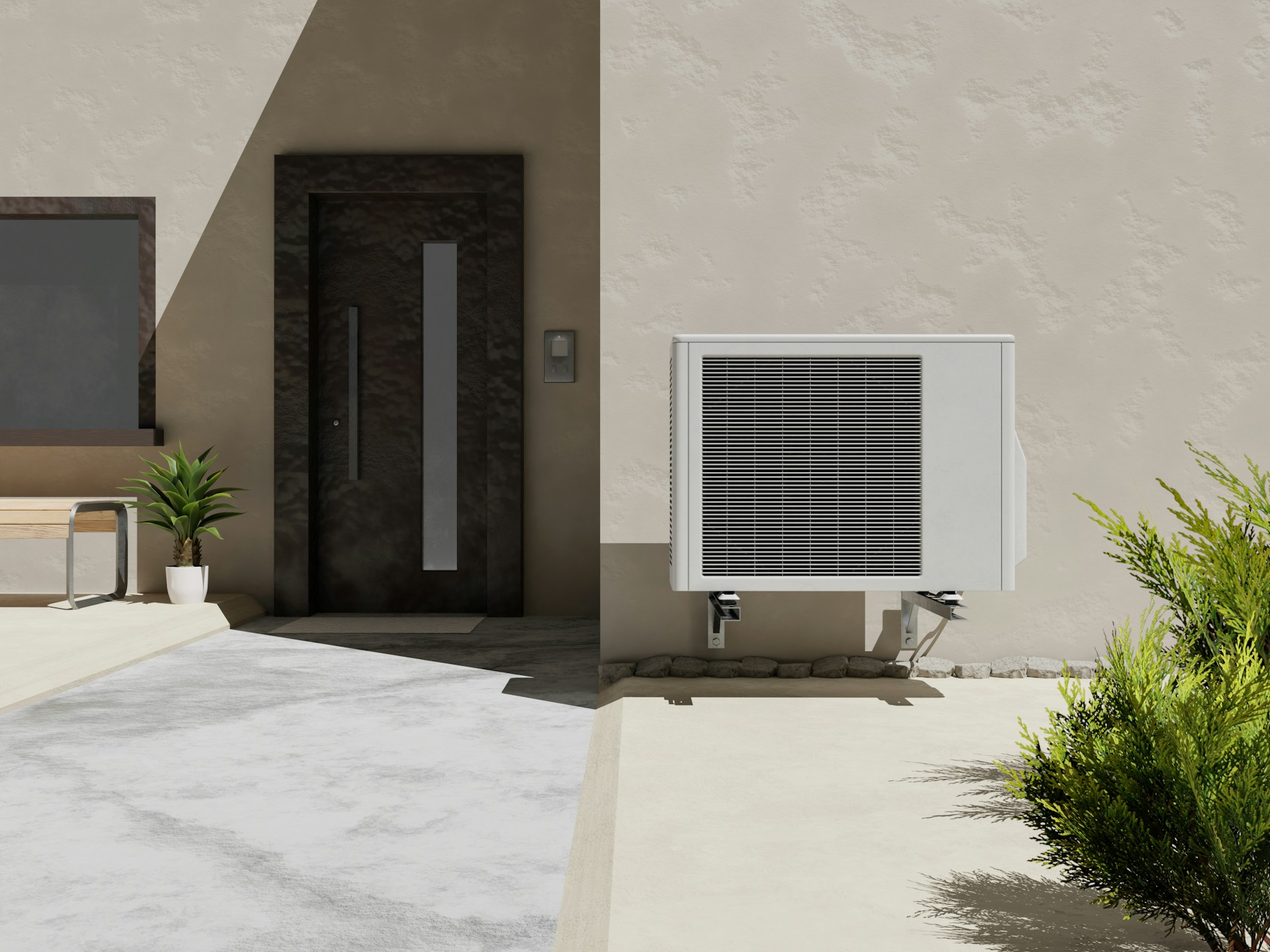
• The refrigerant carries that heat outside to the condenser, where a fan blows outdoor air across hot coils.
• The heat leaves the refrigerant to the outside air, and the refrigerant cycles back in to absorb more heat.
• Filters and sometimes additional air cleaners catch dust and particles as air returns to the unit.
Offices often have open floor areas with a few zones, conference rooms, and some private offices. Medical clinics and offices usually need finer control: cooler procedure rooms, steady temperatures in labs, and specific settings for imaging rooms. Mixed-use buildings can be trickier, with restaurants, offices, and retail spaces all expecting different comfort levels off the same general system.
Design and sizing matter a lot. If a unit is too small, it runs constantly and still does not keep up. If it is too big, it can cool the air quickly but shut off before it has a chance to pull enough moisture out, which leaves you cool but clammy. Poor duct design can make some spaces noisy and others starved for air. All of this eventually shows up in comfort complaints and higher energy bills.
Most commercial buildings deal with a few familiar cooling headaches. Uneven temperatures are at the top of the list. One side of the office feels like a freezer while the other side is stuffy. Common causes include:
• Blocked or undersized supply and return ducts
• Failing or stuck dampers in the ductwork
• Thermostats placed in bad locations
• Zoning systems that were never set up correctly
Humidity is another big challenge in our climate. If the system does not control moisture well, indoor air can feel heavy and uncomfortable. High humidity also makes it easier for odors to linger and can encourage mold growth in damp areas.
You might also notice:
• Units turning on and off frequently, called short cycling
• New or louder noises from rooftop units
• Power bills creeping up without changes in occupancy or hours
These are signs something is not right. Steady commercial HVAC maintenance in Birmingham, AL, helps catch these issues early. Technicians can spot a worn belt, a clogged coil, or a control problem before it turns into a midday shutdown when the building is full.
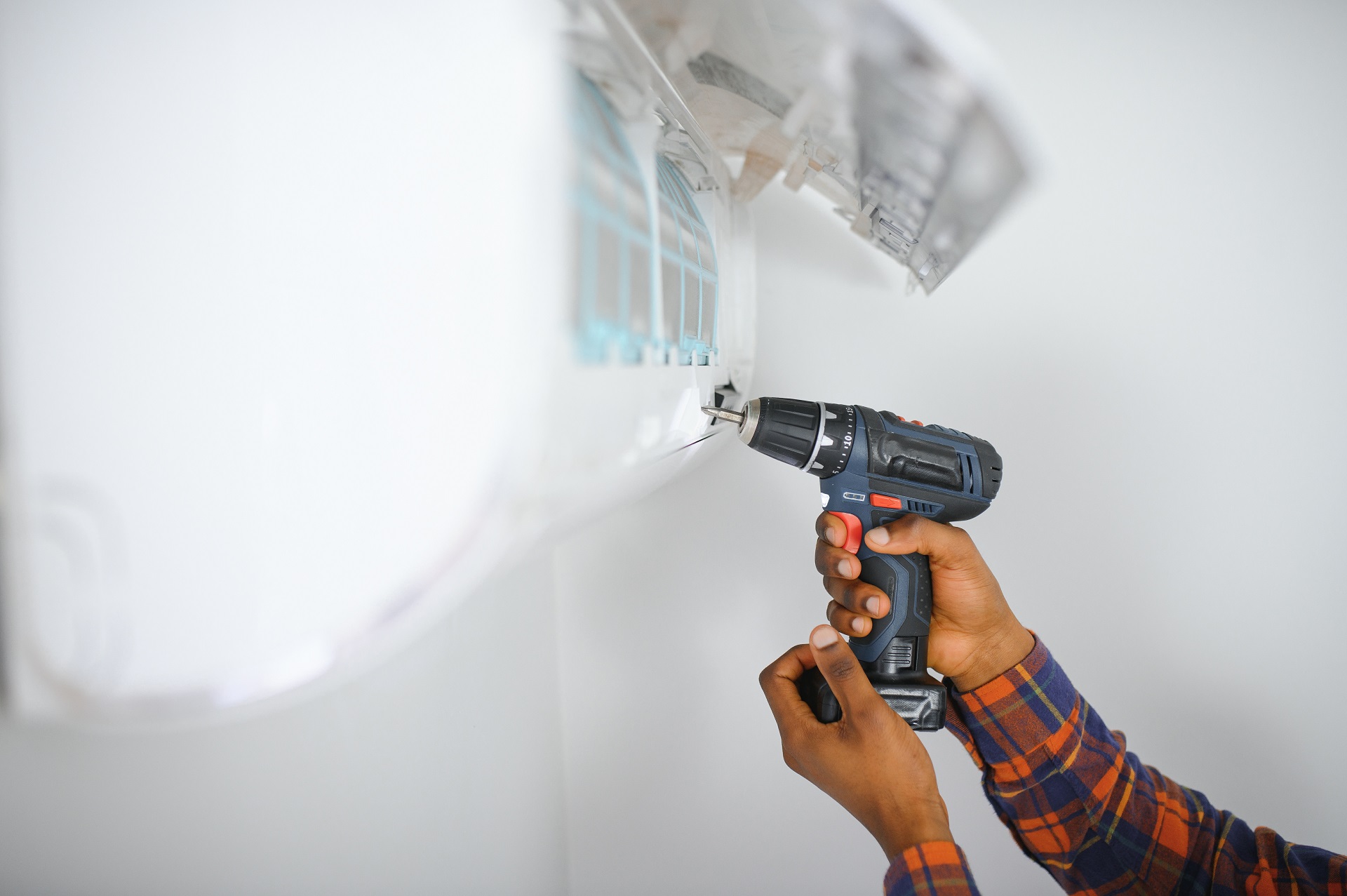
Good maintenance is not magic. It is a set of simple, consistent steps that keep equipment clean, safe, and in adjustment. On a typical visit, a technician will:
• Inspect and replace filters so air can move freely
• Clean evaporator and condenser coils to keep heat transfer efficient
• Check and adjust belts, pulleys, and motors
• Flush and clear condensate drain lines to prevent water leaks
• Check refrigerant pressures and look for signs of leaks
• Test controls, safeties, and thermostat operation
Seasonal needs matter. A spring check helps get cooling ready before the hottest days hit. A fall visit makes sure heating works, gas or electric components are safe, and the system is clean before you close up the building more tightly.
There are a few basic tasks in-house staff can handle:
• Changing filters on the schedule your contractor recommends
• Keeping supply and return vents unblocked
• Watching for water around air handlers or ceiling stains
• Listening for new noises and noting when they happen
Anything involving refrigerant, electrical compartments, or roof work should be left to a licensed technician. A solid commercial HVAC maintenance schedule reduces surprise repairs, keeps systems running closer to their design efficiency, and helps you plan for future replacements instead of being forced into them by a failure.
Medical spaces have tougher requirements than a standard office. Exam rooms usually need tight temperature control and moderate humidity so patients and staff stay comfortable. Labs, imaging rooms, and pharmacies may have equipment and medications that require stable conditions.
Air quality is also a bigger concern. Good filtration, fresh air, and reasonable odor control all support a cleaner-feeling environment. Some areas may need higher filtration levels than others, especially where procedures or lab work happen.
Zoning and controls are key tools. Different areas often need different settings:
• Cooler temperatures in imaging or procedure rooms
• Stable, moderate conditions in labs and storage areas
• Comfortable, slightly warmer settings in waiting rooms
Controls should give that flexibility without forcing staff to constantly adjust settings. Consistent commercial HVAC maintenance in Birmingham, AL, supports all of this by keeping filters and coils clean, checking outdoor air dampers, confirming fans and exhaust are working, and verifying that controls are actually doing what they are programmed to do. That helps support infection control efforts and protects sensitive equipment from heat and moisture.
There are some clear red flags where you should stop and bring in a technician:
• Burning or electrical smells from vents or equipment
• Breakers that trip more than once when the unit starts
• Ice forming on refrigerant lines or coils
• Water pooling around indoor units or dripping from ceiling tiles
• Loud new noises, like grinding, squealing, or banging
These issues can involve electrical risks, refrigerant handling, and roof access. Guessing at the cause can get expensive fast if a do-it-yourself fix creates a new problem or damages a major component.
When you call, it helps to have a few details ready:
• Which unit or area is affected
• What symptoms people noticed and when they started
• Whether anything changed recently, like new equipment, new walls, or schedule changes
• Any previous issues with the same unit
An honest diagnostic visit should look straightforward: a technician inspects the system, tests components, explains what they found in plain language, and walks you through options, from short-term repairs to long-term plans, without pressure.
Keeping an office or clinic comfortable in Birmingham comes down to a few basics. Understand what kind of HVAC systems you have, pay attention to early warning signs, and stick to a regular maintenance schedule instead of waiting for a failure.
A simple plan might include:
• Making a list of all HVAC units and where they serve
• Scheduling spring and fall maintenance visits
• Setting reminders for filter changes
• Training staff on what to watch and what to report
The goal is straightforward: honest diagnostics, clear recommendations, and work that fixes problems the right way. With a consistent maintenance plan and a clear picture of your equipment, you can make smart decisions about commercial HVAC maintenance in Birmingham, AL, without feeling rushed or pushed into choices that do not fit your building or your budget.
If you are ready to reduce downtime and keep your tenants and staff comfortable, schedule your commercial HVAC maintenance in Birmingham, AL with 1776 Mechanical LLC today. We will assess your system, recommend a maintenance plan that fits your facility, and handle the work with minimal disruption to your operations. To request a quote or set an appointment, simply contact us and we will follow up promptly.
Our latest news and trending topics
.jpg)