April 26, 2026
AC Replacement Timeline in Birmingham: System Lifespan by SEER, Age, and Usage
Learn when to plan air conditioner replacement in Birmingham, AL with lifespan ranges by SEER, age, and usage plus final year steps to avoid breakdowns

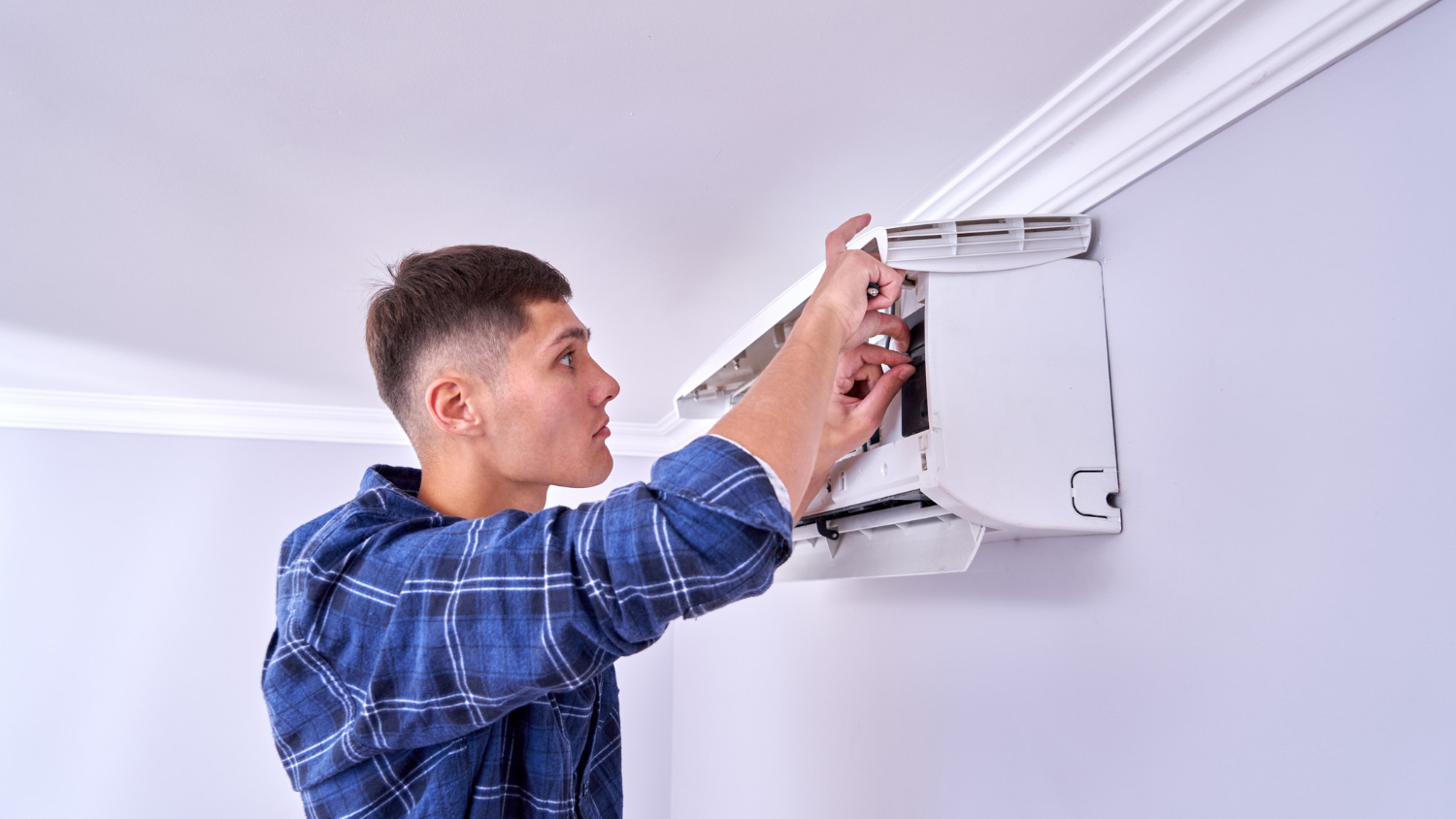
An air conditioner almost never dies on a neat, round birthday. It usually fades out over a few summers with more repairs, weaker cooling, and higher power bills. For most Birmingham homes and small businesses, we see central AC systems give useful service for roughly 10 to 18 years, depending on how they were installed, how often they run, and how well they are maintained.
In our climate, that range is real. Some builder-grade systems start struggling around the 10 to 12 year mark. Better equipment that is sized and cared for correctly can often stretch closer to 15 to 18 years. The goal is not to guess the exact day it will quit, but to understand when you are in the last stretch so you can plan air conditioner replacement in Birmingham, AL before you are stuck in August with no cooling.
This guide walks through how Birmingham’s weather affects AC lifespan, how age, SEER rating, and usage work together, and what steps to take in the final 12 months before replacement.
Birmingham is hard on AC systems. We see long cooling seasons, heavy humidity, and plenty of pollen and storms. All of that adds extra strain.
Here is what makes our area tougher than many cooler climates:
Because of that extra workload, typical life ranges look like this:
As systems get near the end of their life, you usually see patterns, such as:
If two or three of those are showing up on a system that is already past 10 to 12 years, it is a sign to start thinking ahead.
SEER is a measure of efficiency. It tells you how much cooling you get for a set amount of electricity. It does not, by itself, promise how many years the system will last, but it does affect how the equipment runs.
A few simple points help:
Age is only part of the story. Hours of use matter just as much. A 10-year-old system in Birmingham that runs most of the year is not the same as a 10-year-old system in a cooler state that only runs in peak summer.
Usage patterns that shorten practical life include:
As a rough planning guide:
Most systems have a “last chapter” before they completely fail. Recognizing that window helps you stay in control instead of scrambling.
You are likely in the final 12 to 18 months when:
During that final stretch, a few steps help you get the most from the old system while you plan its replacement:
Timing around Birmingham’s seasons makes a difference. Spring and fall usually give you:
If your system is already older and acting up before summer, it can be smarter to plan early, rather than gamble on it making it through the hottest months. Every system is different, but when you are calling for emergency service more than once a season, that is a sign.
A simple way to think about repair versus replacement is to look at age, repair history, and comfort.
For most homeowners, this framework helps:
People often talk about the “5,000 rule,” which is age times repair cost. If that number gets high, replacement may make more sense. Treat that as a guideline, not a rule. Comfort and peace of mind matter too.
Tradeoffs to think about:
Some AC checks are fine for most homeowners. You can:
Other work is better left to a licensed HVAC technician. Call a pro if:
Avoid opening electrical panels, handling refrigerant lines, or trying to recharge refrigerant yourself. Those jobs are not only easy to get wrong, they also carry electrical and refrigerant safety risks and require proper tools and certification.
A professional can test components under load, check refrigerant charge, measure airflow, and give you a clear picture of what shape the system is in so you can decide on repair or replacement with real numbers.
Once you are close to replacement, planning the job the right way matters just as much as picking the equipment. You want more than just a new outdoor unit dropped in.
Good prep usually includes:
At 1776 Mechanical LLC, we focus on honest diagnostics and clear explanations. We can walk you through:
If your system is 12 years or older, or you are seeing repeated breakdowns, higher bills, or comfort problems, this is a good time to have it evaluated.
Schedule a pre-season checkup with 1776 Mechanical LLC. We will inspect the system, explain what we find, and answer the key question: “If this were our house, would we put more money into this system or plan to replace it?”
From there, you can decide whether to repair, replace, or wait, with clear numbers and no pressure.
If your cooling system is struggling to keep up, 1776 Mechanical LLC is ready to help you plan the right solution for your home. Explore our air conditioner replacement in Birmingham, AL to see how we can improve your comfort and efficiency. We will walk you through your options, provide a straightforward estimate, and schedule work at a time that fits your routine. Have questions or need to book service now? Just contact us and our team will follow up promptly.
Our latest news and trending topics
.jpg)