April 20, 2026
What Happens During HVAC Repair in Birmingham Homes
Learn what to expect during HVAC repair, from initial diagnosis and estimates to parts replacement, testing, and final system checks for comfort.

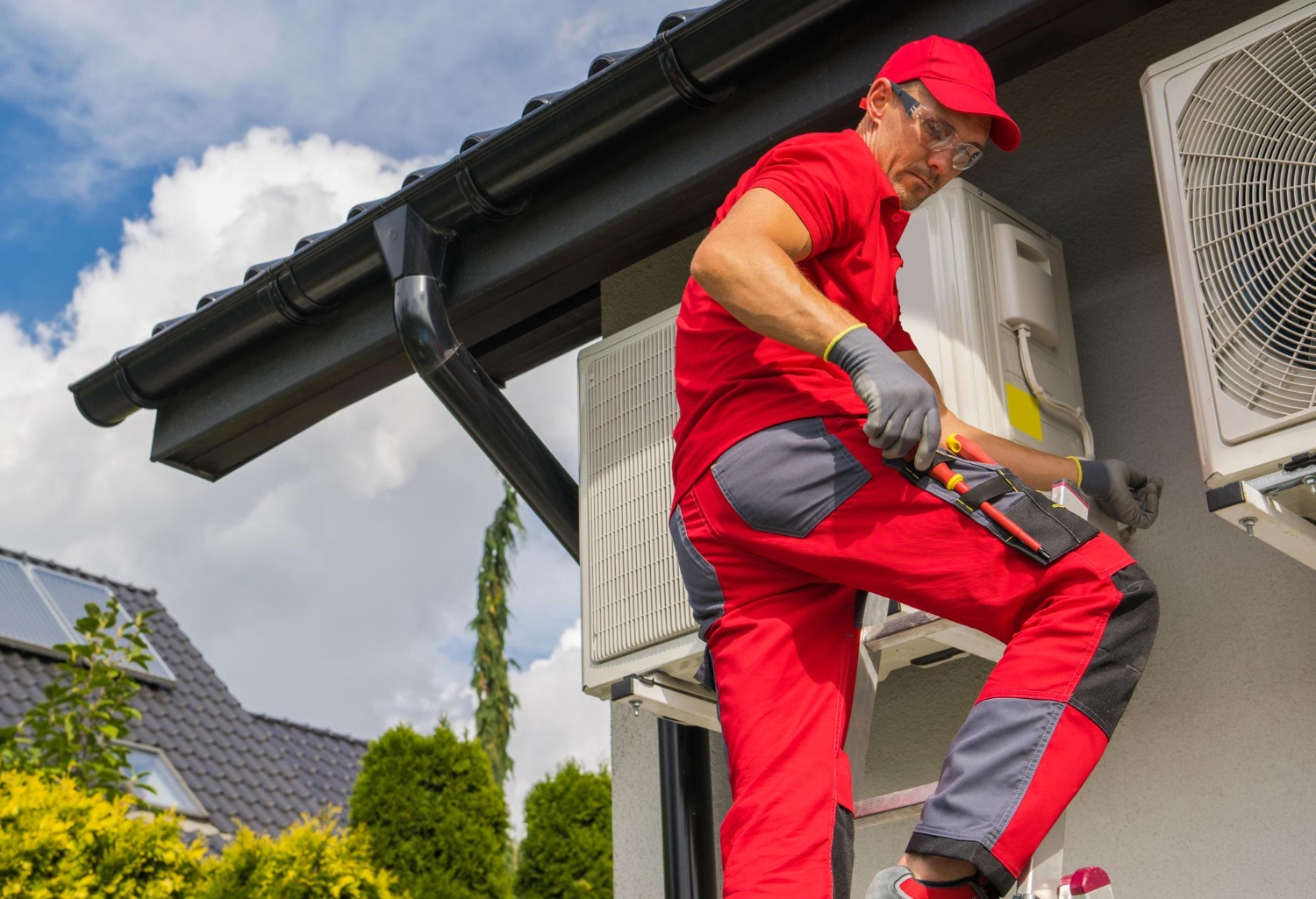
When your AC stops keeping up with the heat, you mainly want to know two things: what is wrong and how fast it can be fixed. Knowing what happens during an HVAC repair visit takes a lot of the stress out of that day. You can feel more in control, ask better questions, and spot when a technician is doing things the right way.
We work in Birmingham homes every week, and the steps are usually very similar. Here is what you can expect from a solid HVAC repair in Birmingham, AL, from arrival all the way through testing and maintenance tips afterward.
On a warm Birmingham spring afternoon, it does not take long for a weak AC to make your home feel sticky and stuffy. Once you call for HVAC repair in Birmingham, AL, the visit should start in a calm, simple way.
A good technician should arrive during the promised time window, be clearly identified with company branding, and greet you, ask where the equipment is, and explain the plan. Before touching anything, we like to walk you through what we will be checking and roughly how long it may take. That way you know what rooms we will be in and whether we will be inside, outside, or both.
The first real step is listening. A careful tech will ask what you noticed first (warm air, strange smells, or noises), whether some rooms are hotter or colder than others, whether the system has had recent repairs or maintenance, and if you changed anything in the home (like a new thermostat or renovation). There should not be pressure right away. At this point, it is about gathering good information so the visit is efficient and the diagnosis is accurate.
Once we understand the symptoms, we move into a full inspection. For most Birmingham homes, a basic diagnostic visit will include:
• Visual check of the indoor unit, blower, and evaporator coil area
• Visual check of the outdoor unit, fan, and condenser coil
• Thermostat check to confirm settings, power, and wiring
• Filter check and a quick look at accessible ductwork
• Electrical checks at breakers, disconnects, wiring, and connections
• Measuring refrigerant pressures and temperatures when needed
• Checking airflow and temperature drop across the system
We may ask when the filter was last changed, if any parts have been replaced recently, or if another company has worked on the system. This can save time and help us avoid chasing the same issue twice.
A good diagnosis is not guesswork. We want to find what failed, why it failed, and whether anything else is at risk. That is how you cut down on repeat visits and get a fix that holds up through a Birmingham summer.
Some things should always be left to a pro. You should call a licensed HVAC technician if you notice:
• Burning or electrical smells from vents or equipment
• Breakers that trip, reset, and then trip again
• Ice building up on the refrigerant lines or outdoor unit
• Harsh grinding, screeching, or metal-on-metal sounds
If something feels unsafe, shut the system off at the thermostat and do not try to keep it running. Anything that involves high voltage, refrigerant, or gas is not a DIY repair.
After testing and checks, we sit down and explain what we found in plain language. Common examples might be a failed capacitor or contactor, a worn or locked-up fan or blower motor, low refrigerant with a leak found in a coil or line, a clogged drain line causing water backup, or thermostat or control issues.
For each problem, we walk through what is wrong and where it is, what caused it or likely caused it, whether it is a one-time issue or likely to return, and what your repair options are. Sometimes repair is a simple part swap. Other times, we talk about the bigger picture.
In the repair versus replace talk, we look at:
• The age of the system
• How often it has needed work lately
• The cost of this repair compared with likely future repairs
• How efficient your current unit is compared with newer equipment
The goal is not to push you into a new system. Our job is to explain the options, the pros and cons, and let you decide what fits your comfort and budget.
Once you choose a path, we move into the actual repair. In Birmingham spring and summer, common repairs include:
• Replacing capacitors, contactors, fan motors, or thermostats
• Clearing or repairing clogged drain lines and drain pans
• Repairing refrigerant leaks and recharging the system, finding and fixing the leak instead of just topping it off
While we work, we respect your home. That usually means using shoe covers or drop cloths where needed, keeping tools and panels organized, and cleaning up the work area before we leave.
After the repair, we test the system. We check temperatures, pressures, and airflow, listen for new noises or vibrations, and confirm the thermostat and controls talk to the equipment correctly. Again, this is not a place for shortcuts. Online tricks like bypassing fuses, adding the wrong refrigerant, or mixing parts can damage your system or create safety hazards. Refrigerant work requires proper training and certification, and gas heat repairs need special care to avoid issues like carbon monoxide.
Before we leave, we like to prove the fix under real conditions. That means:
• Letting the system run long enough for the home to start cooling or heating
• Checking the main living areas for comfort and airflow
• Confirming that the thermostat responds and cycles the system correctly
If you want to see the old parts, we can show you what failed and explain what we replaced in simple terms.
There are a few basic things homeowners can do between visits to help the system run better:
• Change filters on a regular schedule, more often if you have pets, allergies, or a dusty home
• Keep the outdoor unit clear of grass clippings, leaves, and yard debris
• Pay attention to warning signs like longer run times, new noises, or power bills creeping higher
Spring is a smart time in Birmingham to deal with repairs or schedule maintenance. Taking care of weak parts before the longest, hottest stretch gives your HVAC system a better chance of handling the heat and humidity without breaking down when you need it most.
At 1776 Mechanical LLC, we keep HVAC repair in Birmingham, AL straightforward. Our approach is simple:
• Start with honest diagnostics, no automatic talk about replacing your whole system
• Explain what is wrong in clear, plain language
• Lay out realistic options and tradeoffs so you can decide what makes sense
We focus on fixing it right the first time, using methods and parts aimed at long-term performance, not quick patches. We help both residential and commercial customers, and we also work on commercial refrigeration and ice machines for local businesses that rely on cold storage and ice every day.
The style is low-pressure. You get straight answers, written details when needed, and the space to choose what fits your home or building without feeling pushed.
If your system is struggling to keep your space comfortable, our team at 1776 Mechanical LLC is ready to help with expert HVAC repair in Birmingham, AL. We diagnose issues quickly and focus on long-term fixes so your business can keep running without costly downtime. To schedule service or request a quote, simply contact us and we will follow up promptly.
Our latest news and trending topics
.jpg)