Questioning Heat Pump Efficiency in Birmingham’s Humid Summers
Learn how a heat pump in Birmingham, AL performs in humid summer weather, what impacts efficiency, and tips to keep comfort and costs balanced

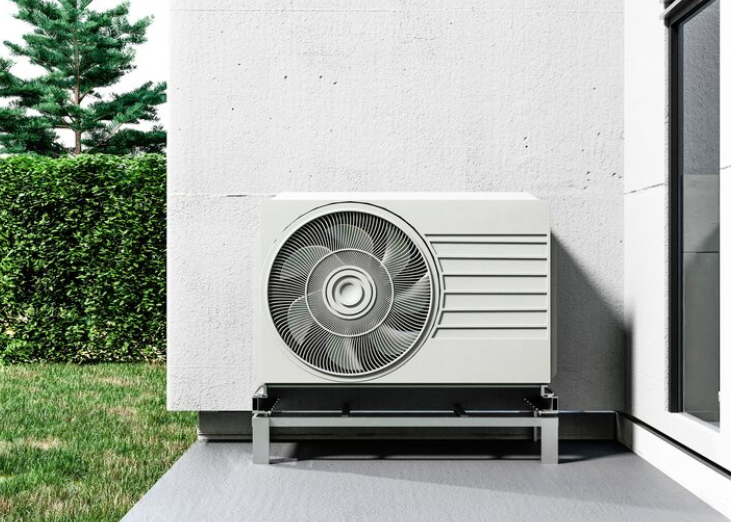
A heat pump in Birmingham, AL, can look good on paper: high efficiency, heating and cooling in one piece of equipment, and lower energy use compared to older systems. But when late May rolls in, humidity climbs, and the afternoon heat settles in, the real test begins.
If you own a higher-value home or a commercial building, you are not just chasing a number on your utility bill. You want steady comfort, no hot spots, and no sticky, muggy air. Let’s look at how heat pumps really behave in our climate, where they work well, where they struggle, and what to think about before you spend money on new equipment or major repairs.
A heat pump does not create hot or cold air from scratch. It moves heat from one place to another using refrigerant, an outdoor unit, and an indoor coil. In cooling mode, it pulls heat from inside your building and dumps it outside. Because it is just moving heat instead of generating it, it can be more efficient than some older systems.
On mild days, this looks good. The system runs, pulls heat out, lowers the indoor temperature, and shuts off. The problem starts when:
In those conditions, a heat pump often runs longer and harder. It may still reach the thermostat set point, but you may notice the air feels heavy or damp. That is because cooling and dehumidifying are not the same thing.
Your thermostat reads temperature, not moisture. A system can drop the air to 72 degrees, but if the humidity inside stays high, people feel sticky, tired, and less comfortable. In Birmingham, AL, that happens a lot in late spring and summer.
How your heat pump behaves is also shaped by:
If the building lets a lot of hot, moist air in, the best heat pump in the world will still struggle.
In the Deep South, humidity is half the comfort equation. For larger homes and offices with more glass and open spaces, that moisture load gets even tougher.
An oversized heat pump is a common problem. It sounds good at first: more capacity must mean better performance, right? Not in our climate. An oversized unit can short-cycle, which means:
On the other side, a properly sized or slightly smaller system will run longer at a lower capacity. That longer run time can give better dehumidification, because more air passes over the cold indoor coil and more moisture condenses and drains away. The tradeoff is that longer run times can raise energy use if the rest of the system is not optimized.
Humidity control is not just about the outdoor unit. It also depends on:
In some higher-value homes or sensitive commercial spaces, adding a dedicated dehumidifier can make sense. It takes some of the moisture load off the heat pump, so the system can focus on cooling while the dehumidifier handles fine-tuning the humidity.
A heat pump in Birmingham, AL, can be a solid choice, but it is not a one-size-fits-all answer. Heat pumps tend to work well when:
In older or drafty homes, or in commercial buildings with big internal heat gains from people, lights, and equipment, traditional setups can sometimes do better. These include:
Existing gas lines, older duct designs, and the way the building is actually used all matter. A heat pump may look efficient on a brochure, but the real payback depends on:
Filters, coils, and drain lines need attention. Outdoor units sit in our pollen, dust, and storm debris. As coils get dirty and airflow drops, efficiency and comfort both suffer. Any realistic plan has to include regular maintenance.
You do not need to be an HVAC tech to spot when a heat pump is struggling with a Birmingham summer. Common warning signs include:
These problems do not always mean the equipment is junk. Often the real cause is:
A few simple checks you can safely do:
If the system still struggles, the issue may be with the original design or a mismatch between the equipment and the real load of the building.
There is a hard line between homeowner checks and professional work. Anything that involves:
should be left to a trained technician. Even if you are handy, working on pressurized refrigerant circuits and high-voltage components is not safe.
It is time to call a professional if you see:
When you do bring someone in, good questions to ask include:
Honest diagnostics matter. You want clear explanations in plain language, not a rush to replace equipment without proof of what is actually wrong.
The best time to figure out if your heat pump in Birmingham, AL, is the right fit is before the toughest heat and humidity arrive. That way you are not forced into a fast decision during a breakdown on a hot afternoon.
A professional assessment can look at:
From there, you can decide if a repair, a few adjustments, added dehumidification, or a full replacement makes the most sense. The goal is simple: a system that can handle Birmingham summers, keeps people comfortable, and runs as efficiently as it realistically can, given your building and your needs.
If you are not sure whether your current heat pump is the right setup for your home or building, schedule a visit before the peak heat hits. Ask for a technician who will run a proper load calculation, check your ductwork and insulation, and explain your options in plain language.
You do not have to commit to new equipment to get good advice. Start with an honest assessment, review the repair and replacement options, and then decide what makes the most sense for your comfort, your building, and your budget.
If you are ready to upgrade your comfort with an efficient heat pump in Birmingham, AL, we are here to help you choose and install the right system for your home. At 1776 Mechanical LLC, we take the time to understand your needs so you get dependable performance and energy savings year-round. Reach out today with questions about options, financing, or scheduling, or simply contact us to set up your appointment.
Our latest news and trending topics
.jpg)