Ductwork Diagnostics in Birmingham: Testing Leaks, Airflow, and Pressure
Learn how pros diagnose duct leaks, airflow issues, and pressure imbalance to guide ductwork repair in Birmingham, AL and improve comfort and efficiency

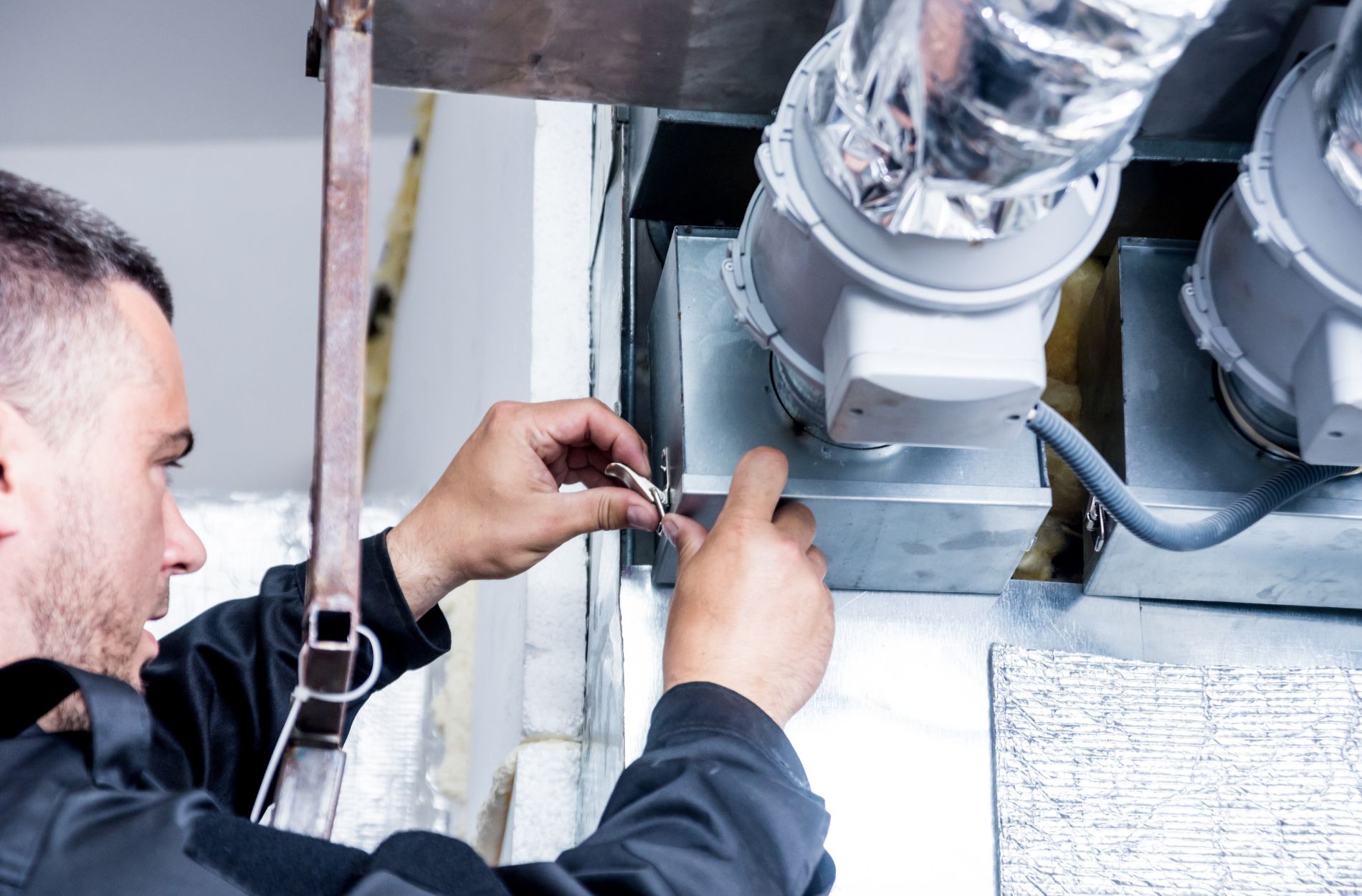
Duct problems are very common in Birmingham homes and businesses. We see older houses that have been added onto, offices with walls moved, hot attics, tight crawlspaces, and mixed-use buildings where the ductwork was never updated to match the new layout. The AC and heat may be new, but the ducts feeding them are often tired or poorly planned.
You feel those problems every day. Hot and cold spots, vents that roar in one room and barely whisper in another, dust that keeps coming back, rooms that never match the thermostat, and power bills that just seem too high. Ductwork diagnostics is simply the process of measuring what is really going on instead of guessing. We test, record numbers, and then explain what those numbers mean for you.
At 1776 Mechanical LLC, we focus on honest diagnostics and clear options. Whether you own a high-end home, a professional office, or a medical space, our job is to find the real cause of your comfort and airflow issues, then lay out practical choices without pressure.
When ducts are leaking or unbalanced, you can usually tell if you know what to look for. Around the house, common red flags include:
• Rooms that never match the thermostat
• Weak or uneven airflow from some vents
• Interior doors that slam or drift shut when the system runs
• Dust buildup around vents and on furniture
• Musty or attic-like smells when the system kicks on
In businesses and medical facilities, duct problems often show up as:
• Staff or patients who are always too hot or too cold
• Hot conference rooms or cold exam rooms
• Noisy diffusers that hiss or roar
• Equipment rooms that run warmer than they should
• Utility bills that do not line up with actual use of the space
As seasons change in Birmingham and systems switch from heating to cooling, airflow and balance problems often become more obvious. Rooms that were barely tolerable in winter can feel stuffy once the heat and humidity rise. Spring is a smart time to test, since you can fix issues before your system has to work its hardest in the summer.
A proper duct diagnostic visit is calm, methodical, and focused on information. We start with a visual inspection in the attic, crawlspace, or drop ceilings. We look for:
• Crushed or kinked flex duct
• Poor supports letting ducts sag
• Disconnected or loose runs
• Bad tape jobs or failed connections
• Obvious air leaks and missing insulation
After that, we bring in instruments. In simple terms, we use:
• Static pressure gauges to see how hard your system is working to push and pull air
• Flow hoods or anemometers to measure supply and return airflow at vents
• Smoke pencils or light fog to trace leaks and see how air moves from room to room
For large homes, offices, and medical spaces, we pay special attention to zoning, long duct runs, and rooms that need tighter temperature control like conference rooms, exam rooms, or server closets. The process is the same idea, but the layout is more complex.
The key point is this: first we gather accurate information. Then we sit down and walk you through what the numbers mean, what is urgent, what can wait, and what does not really need to be changed.
Duct leakage testing is about finding where your conditioned air is escaping. We will often pressurize sections of the duct and use our tools to spot leaks at:
• Seams and joints
• Takeoffs and branches
• Boots where ducts meet grilles
• Around the air handler or furnace cabinet
Leaky ducts send cooled or heated air into your attic, crawlspace, or above drop ceilings instead of into the rooms you paid to condition. A tight system keeps more of that air in the living or working space, which usually means better comfort and more stable run times.
Next, we measure airflow. We compare what is coming out of each supply register and going into each return to what the system should reasonably be delivering. Common problems we see are:
• Starved returns that cannot pull enough air back
• Closed or undersized vents that choke off airflow
• Long branches that were never sized correctly
• Rooms added later that share undersized duct runs
Then we check static pressure on the supply and return sides of the equipment. High pressure often points to clogged filters, very restrictive duct layouts, or closed dampers. Very low pressure can show major leaks or ducts that are just too large in spots and not moving air as planned.
When it comes to safety and when to call a pro, a few points matter:
• Do not open sealed HVAC equipment cabinets or cut into ductwork yourself
• Badly unbalanced ducts in gas-heated buildings can affect how flue gases move
• Poor airflow and leaks can hurt indoor air quality by pulling in dusty or musty air
Basic things like keeping filters clean and making sure vents are open are fine checks for an owner or manager. Once you get past that, it is time for a licensed technician with gauges and instruments.
Raw test numbers do not help much until they are put in plain language. When we share results, we usually see patterns like:
• Moderate leakage but decent airflow, where sealing ducts will likely improve comfort and help the system run smoother
• Tight ducts but major room-to-room imbalances, where damper adjustments or added returns are needed
• Severely undersized returns, where the system is struggling and may be noisy and less reliable over time
From there, we talk through options and tradeoffs, such as:
• Simple fixes like sealing joints, adding mastic, repairing a few bad connections, or adjusting dampers
• Mid-level work such as adding or upsizing a return, rerouting a problem run, or fixing crushed or poorly supported flex
• Bigger projects like partial or full duct redesign, which can matter for remodels, luxury homes, or complex offices and medical suites
For ductwork repair in Birmingham, AL, local conditions matter. Our heat and humidity, along with common attic and crawlspace construction, affect what makes sense. Sometimes chasing every last bit of leakage does not pay off if access is extreme or if it risks damaging finishes. Other times, sealing and resizing is an easy win. Our role is to show the real impact on comfort and efficiency and let you decide how far to go.
A good repair plan starts with priorities. We help you focus on:
• Fixes that give the biggest comfort gain
• Changes that help your system work within its design limits
• Work that can be done now versus later without causing new issues
High-value homes, offices, and medical properties often need special handling. We plan around occupied spaces, protect finishes, work clean in sensitive areas, and document what we changed so owners and facility managers know exactly what was done and why.
Seasonal timing helps too. Spring in Birmingham usually gives us milder weather and fewer emergency calls. That means more flexibility to test thoroughly, make duct changes, and then verify results without rushing.
A realistic fix-it-right plan moves from that first diagnostic visit, to clear written findings, to targeted repairs, and then to follow-up checks to confirm that pressures and airflow are where they should be. No overselling, no pressure, just steady steps toward a system that finally matches what you expect from it.
If your energy bills are climbing or some rooms never feel quite comfortable, it may be time to schedule professional ductwork repair in Birmingham, AL. At 1776 Mechanical LLC, we carefully inspect, seal, and restore your duct system so your HVAC can work efficiently again. We are ready to answer your questions, provide clear recommendations, and get your repair on the schedule quickly. Reach out today through our contact us page to get started.
Our latest news and trending topics
.jpg)